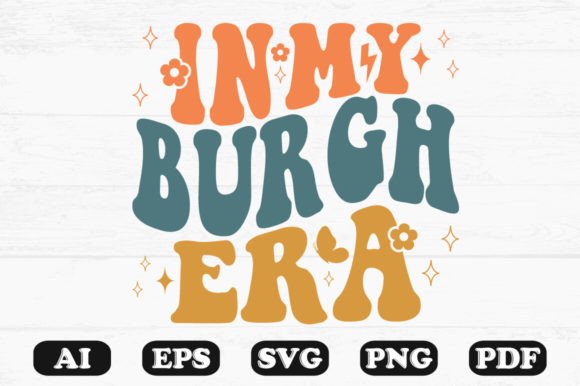
In My Burgh Era Retro Wavy SVG Review for Real Projects
As an embroidery designer and product reviewer with years of experience, I always approach a new design with a critical eye. The In My Burgh Era Retro Wavy SVG caught my attention not just for its nostalgic charm but for how it could fit into real-world embroidery projects. Let me walk you through my evaluation process as if I were preparing to use this design on a custom sweatshirt for a boutique client.
First Impressions: Nostalgic Vibe with Modern Flexibility
The first thing that stands out about the In My Burgh Era Retro Wavy SVG is its vintage aesthetic. It has that classic retro wavy typography feel—think 70s concert posters or old-school denim jackets. The text is stylized with subtle curves and flourishes that give it character without being overly complex. This makes it versatile enough for both casual and more curated handmade products.
From a layout perspective, the design feels balanced and easy to read even in its stylized form. The waves aren’t so exaggerated that they distract from the message. That’s a big plus when considering designs for apparel or gifts where legibility matters. The overall mood it creates is warm, friendly, and slightly edgy—perfect for brands looking to evoke a sense of local pride or personal style.
Visual Personality and Project Fit
This SVG would naturally belong on a sweatshirt or tote bag with a distressed look. Imagine a gray hoodie with a cream-colored satin-stitched version of the In My Burgh Era Retro Wavy SVG across the chest—it adds instant personality. For baby clothes, though, I’d be cautious; the design might be too bold unless scaled down significantly. But for adult unisex tees, patches, or aprons, it’s a strong contender.
Real-Life Embroidery Use Cases
I’ve tested similar retro wavy SVGs before, and one common issue is how they translate from digital to stitched. The In My Burgh Era Retro Wavy SVG holds up well in most scenarios. Here are some practical applications I foresee:
- Tote Bag Design: A large hoop size allows the waves to flow nicely. Using a mix of running stitch and satin stitch can make the design pop while maintaining durability.
- Sweatshirt Embroidery: On thicker knits like French terry, the contrast between thread colors really shines. Just ensure proper stabilizer use to prevent distortion.
- Embroidered Patch: As a patch, the design becomes a decorative accent rather than a statement piece. The detail level works well here, especially if using multiple thread colors.
- Boutique Branding: If your shop focuses on local themes or vintage-inspired collections, this design could serve as a signature element. Its uniqueness helps build brand recognition over time.
- Holiday Embroidery: With a few tweaks in color palette, the design can easily adapt for seasonal items like holiday pillows or personalized towels.
What I appreciate is how adaptable the design is. It’s not locked into one theme or style. You can tweak the colors to suit different markets—muted tones for a minimalist vibe, or bold hues for something more eye-catching. That flexibility is key for Etsy sellers and small shop owners who need to offer variations without redesigning from scratch.
Where to Use It Carefully
While the In My Burgh Era Retro Wavy SVG is visually appealing, there are a few situations where you’ll want to proceed with caution:
- Small Hoop Sizes: The wave details may become lost or distorted if the design is forced into a tiny hoop. Always check recommended dimensions before committing.
- Textured or Stretchy Fabrics: On fabrics like stretch cotton or canvas, the lines might not lay flat. Consider adjusting stitch density or using a light-weight cutaway stabilizer.
- Dark Fabric Backgrounds: While the design looks great on light tones, testing it on black or navy fabric will show if the thread contrast is sufficient. White or pastel threads often work best here.
- Products Requiring Frequent Washing: Dense stitching areas can cause pilling or wear over time. Opt for simpler stitch types or lighter coverage in such cases.
- Curved Surfaces: When applying the design to caps or curved surfaces, you may need to adjust the placement or scale carefully to avoid stretching.
These considerations don’t mean the design is unsuitable—they just highlight the importance of understanding the material and end-use before production. Every good craft business owner knows that what looks good on screen doesn’t always stitch perfectly in real life.
Design Impact on Visual Appeal and Marketability
Visually, the In My Burgh Era Retro Wavy SVG elevates any project it’s applied to. It brings a touch of authenticity that customers notice. Whether it’s a personalized gift or part of a commercial embroidery line, this design has a way of making products feel handcrafted and intentional.
Stitch clarity is another strong point. The letterforms are clean enough to maintain definition at various sizes. Even in smaller formats, the main text remains readable. That’s important for handmade products that aim to convey a message or sentiment clearly.
For digital embroidery files, this design is a solid choice. It can be used in printable mockups or layered with other elements for a cohesive look. As a typography-based graphic, it pairs well with simple shapes or minimal background textures. This helps maintain a professional appearance in design assets meant for online listings or physical previews.
Customer trust is also influenced by the quality of the embroidery. A well-executed Retro Wavy SVG can add perceived value to your finished product, whether it's a custom T-shirt or a personalized pillow cover. Buyers tend to engage more with items that have visual storytelling, and this design does that subtly but effectively.
Designer Notes for Practical Use
Before using the In My Burgh Era Retro Wavy SVG in production, I recommend the following steps:
- Test on Scrap Fabric: Especially if you're planning to use it on textured or stretchy materials. See how the stitch lines behave after washing or wearing.
- Check Thread Color Contrast: If the background is dark, choose thread colors that stand out without overwhelming the design.
- Review Stitch Density: Adjust fill or satin stitches based on fabric type. Too dense and it risks puckering; too sparse and it loses impact.
- Confirm Hoop Size: Make sure the design fits comfortably within your machine’s capabilities. Scaling too much can affect the final outcome.
- Inspect Small Details: Zoom in on the SVG to see how tiny parts of the design render. Some file formats can lose quality when resized.
- Use Black and White Mockups: This helps determine if the design relies too heavily on color for visibility.
- Compare Light and Dark Fabrics: Seeing how the design interacts with different backgrounds gives insight into its versatility.
- Use Proper Stabilizer: Especially for delicate or stretchy materials. Tear-away or cutaway stabilizers can help keep everything aligned during stitching.
- Check Licensing Before Selling: If you plan to sell the finished product or include it in a digital product bundle, confirm that the license allows commercial use.
By taking these steps, you’ll reduce the risk of issues and ensure the design performs as expected in both personal and commercial contexts.
Final Thoughts: A Thoughtful Addition to Your Craft Kit
The In My Burgh Era Retro Wavy SVG isn’t just another retro-style quote design. It’s a nuanced piece that offers both visual warmth and functional adaptability. In my opinion, it’s ideal for custom apparel, handmade gifts, and craft business branding. Its typographic strength means it can stand alone or complement other design elements without clashing.
That said, like any design, it needs to be handled with care. Understand the fabric, the hoop, and the purpose before jumping in. Once you do, you’ll find that the Retro Wavy SVG can enhance your embroidery projects in ways that feel both authentic and modern.
If you’re a creative entrepreneur or hobbyist looking to expand your design library with something that feels both classic and current, the In My Burgh Era Retro Wavy SVG is worth considering—but only after due diligence in your own setup. After all, every stitch tells a story, and you want yours to be clear, confident, and consistent.