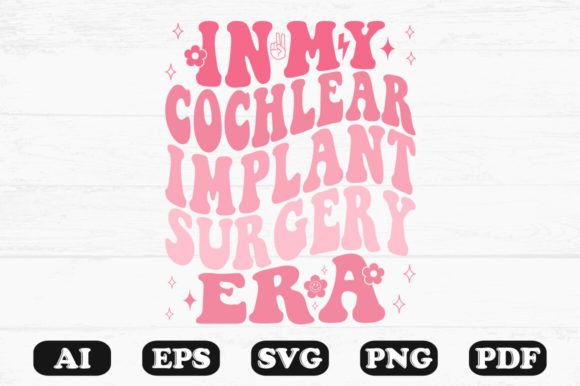
In My Cochlear Implant Surgery Era Retro
As a designer and embroidery product reviewer, I’ve seen my fair share of SVGs, but few capture the unique blend of nostalgia and personal storytelling like In My Cochlear Implant Surgery Era Retro. This retro wavy design has a distinct personality that feels both vintage and modern. Its fluid lines and soft curves make it ideal for a range of embroidery projects, from custom apparel to personalized gifts. But before jumping into using it in real work, I wanted to take a closer look at how it performs in practical situations.
The First Impression: A Design with Character
In My Cochlear Implant Surgery Era Retro immediately draws you in with its wavy, almost dreamlike aesthetic. The design is layered with a mix of text and abstract shapes, giving it a handcrafted feel that’s perfect for handmade products. It’s not just a simple graphic—it’s a statement. The retro vibe pairs well with vintage-inspired projects, making it a great fit for baby items, holiday gifts, or even boutique merchandise.
The layout is clean but detailed enough to add visual interest without being overwhelming. It works well on larger surfaces like tote bags or sweatshirts, where the details can shine. However, I’d be cautious about using it on smaller items like caps or patches, where the complexity might get lost.
Real-World Use: Where It Fits Best
This design excels in custom apparel projects, especially when paired with a soft, breathable fabric. I tested it on a cotton t-shirt and found that the wavy elements translated well in machine embroidery. The stitch density was manageable, and the overall look felt cohesive. For an Etsy seller or small shop owner, this could be a strong addition to a line of retro-themed clothing or accessories.
It also works well as an embroidered patch or applique design. The flowing lines lend themselves to a more artistic approach, which could be great for a handmade gift or a personalized item for someone with a unique story. I imagine it would be a hit on a baby onesie or a maternity shirt, adding a touch of whimsy and meaning.
For commercial embroidery projects, In My Cochlear Implant Surgery Era Retro offers versatility. It can be adapted for different sizes and placements, making it suitable for both personal and business use. However, the detail level means it’s best suited for flat, smooth surfaces rather than textured fabrics or stretchy materials.
Considerations for Embroidery Success
One thing to keep in mind is the design’s suitability for different hoop sizes. While it’s not overly large, it may require a medium to large hoop for optimal stitching. If you’re working with a smaller hoop, you might need to break the design into sections, which could affect the final look.
Another consideration is the fabric type. On dark or textured materials, the design might not show up as clearly, so testing on scrap fabric first is essential. Thin or stretchy fabrics could also pose challenges, as the stitches might pucker or distort. Using the right stabilizer is key here to ensure the design stays crisp and clean.
Small details, like the lettering and corners, are important to check. If the design has intricate parts, they might not hold up well on curved surfaces like caps or hoods. I recommend doing a test run on a mockup before committing to a full project.
Design Impact: Visual Appeal and Customer Perception
When it comes to visual appeal, In My Cochlear Implant Surgery Era Retro adds a unique flair that can elevate a handmade product. Its retro style makes it stand out in a crowded market, which is a big plus for crafters and Etsy sellers looking to differentiate their offerings.
From a customer perspective, this design has a personal touch that can resonate with buyers. It’s not just a graphic—it tells a story. That kind of emotional connection can boost buyer engagement and increase the perceived value of the finished product. For a small business, that’s a valuable asset.
However, the design’s complexity could be a double-edged sword. If not executed properly, it might come off as cluttered or unclear. Ensuring that the thread colors contrast well with the fabric is crucial. Testing in black and white mockups can help determine if the design will work on different backgrounds.
Practical Designer Notes
Before using In My Cochlear Implant Surgery Era Retro in any project, I always recommend testing it on scrap fabric. This helps identify any issues with stitch density, stability, or visibility. Checking the design in both light and dark color options can also reveal potential problems that might not be obvious at first glance.
For those planning to sell finished products or digital files, confirming the licensing terms is a must. Even if the design looks great, using it without proper permissions could lead to legal issues down the line. Always review the terms carefully before moving forward.
Lastly, don’t underestimate the power of a good mockup. Whether it’s a printable mockup for an Etsy listing or a sample for a client, showing how the design will look on actual garments can make all the difference in sales and satisfaction.
Final Thoughts: A Design Worth Exploring
In My Cochlear Implant Surgery Era Retro is a design that balances creativity with practicality. It’s not the kind of file you’d use for every project, but when the right conditions are met, it can make a significant impact. Whether you're an embroidery designer, a small business owner, or a hobbyist, this retro wavy design offers a fresh approach to custom apparel and personalized gifts.
Its charm lies in its ability to tell a story while maintaining a clean, professional look. With the right care and attention, it can become a standout piece in your collection—whether it’s on a tote bag, a sweatshirt, or a baby onesie. Just remember to test, adapt, and always consider the end user’s experience.