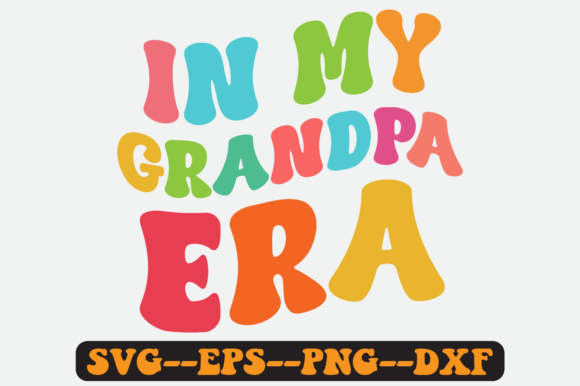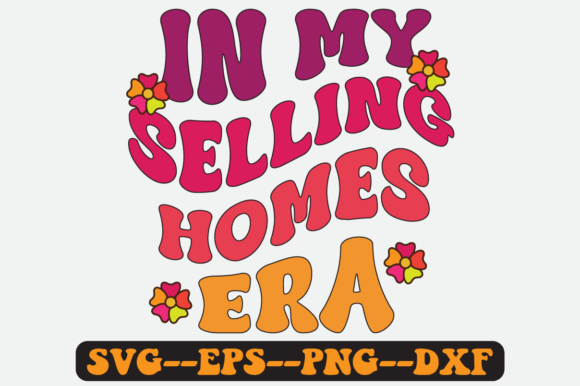
In My Selling Homes Era Groovy Retro SVG
As an embroidery designer and product reviewer, I’ve seen my fair share of digital designs that promise a lot but deliver little. In My Selling Homes Era Groovy Retro SVG is one that caught my attention not just for its aesthetic, but for how it could translate into real-world projects. Let’s break down what this design offers and where it truly shines.
The First Impression: A Nostalgic Vibe with Practical Potential
From the moment I opened In My Selling Homes Era Groovy Retro SVG, I was struck by its bold, retro aesthetic. The design feels like it stepped out of a 70s album cover—vibrant, confident, and full of character. The layout is clean, with a central focal point that makes it easy to place on various items. It’s not overly complex, which is a plus when considering how it will stitch out on different fabrics and in different sizes.
The theme is unmistakably nostalgic, which gives it a unique edge for handmade products, especially those targeting vintage lovers or those looking for a fun, eye-catching addition to their collection. It has a visual personality that’s both playful and professional, making it suitable for a range of applications.
Real-World Embroidery Performance: Where It Works Best
Testing In My Selling Homes Era Groovy Retro SVG on a few different materials gave me a good sense of how it performs. On standard cotton t-shirts and sweatshirts, the design stitched out smoothly. The stitch density is moderate, which means it won’t overwhelm the fabric but still holds up well under normal wear and tear.
For custom apparel, such as a tote bag design or a sweatshirt embroidery, this design is a solid choice. It’s large enough to make an impact without being too busy, and the details are clear enough to be visible even from a distance. It would also work well as an embroidered patch or a decorative element on an apron or pillow cover.
One thing to note is that the design doesn’t have any intricate fine lines or tiny text. That’s a relief because it means it can be used on a variety of projects without worrying about lost details. However, if you’re planning to use it on something like a cap or a curved surface, you’ll need to adjust the hoop size and possibly the stitching direction to ensure the design sits correctly.
Where to Be Cautious: Limitations and Considerations
While In My Selling Homes Era Groovy Retro SVG is versatile, there are some areas where it might not perform as well. For instance, on small hoop sizes, the design may require splitting into sections, which can be a hassle. If you're working with textured fabrics or thin, stretchy materials, you’ll want to test it first to ensure the stitches don’t pucker or distort the fabric.
On dark fabrics, the design might not stand out as much unless you choose a contrasting thread color. Similarly, if you're using it on layered garments or items that need frequent washing, you’ll want to make sure the stabilizer is properly applied to prevent the design from fading or peeling over time.
Another consideration is that while the design is great for personal projects, it may need some tweaks if you plan to sell it as a digital product. Always check the licensing terms before using it in commercial settings.
Impact on Visual Appeal and Customer Perception
When it comes to visual appeal, In My Selling Homes Era Groovy Retro SVG adds a strong, recognizable element to any project. Its retro style is instantly appealing, and it has the potential to elevate the perceived value of a handmade product or a custom apparel item. Customers often respond positively to designs that feel unique and expressive, and this one definitely fits that bill.
For small shop products or Etsy listings, this design can help create a cohesive brand identity. It works well as part of a larger collection or as a standalone item. Its clarity and simplicity make it easy to present in printable mockups, which is a big plus for digital product sellers.
From a customer engagement perspective, this design has a good chance of standing out in a crowded market. It’s not too generic, and its retro vibe can spark nostalgia or interest in a target audience. When used in personalized gifts or holiday embroidery, it can add a special touch that customers will appreciate.
Practical Designer Notes: Tips for Using In My Selling Homes Era Groovy Retro SVG
Before jumping into a full project, I recommend testing In My Selling Homes Era Groovy Retro SVG on scrap fabric. This will help you see how the stitches look on your specific material and whether you need to adjust the hoop size or stabilizer. Also, pay close attention to thread color contrast—especially if you're using it on dark backgrounds.
Reviewing the stitch density is important too. If it’s too dense, it might cause the fabric to pucker or feel stiff. On the flip side, if it’s too light, the design might not hold up well over time. Make sure to check how it looks in black and white mockups as well, since this can affect how it appears on different fabric colors.
Finally, always confirm that the design is suitable for both personal and commercial use. If you’re planning to sell finished products or digital files, double-check the licensing terms to avoid any legal issues down the line.
Final Thoughts: A Solid Choice for Creative Entrepreneurs
In My Selling Homes Era Groovy Retro SVG is a design that balances style with practicality. It’s well-suited for a wide range of embroidery projects, from custom apparel to personalized gifts and small business merchandise. While it has some limitations, it’s a reliable option that can add value to your craft business or creative portfolio.
Whether you’re an Etsy seller, a hobbyist, or a professional embroiderer, this design offers a fresh, nostalgic look that can resonate with a broad audience. Just remember to test it thoroughly and consider the fabric, hoop size, and usage context before finalizing your project.